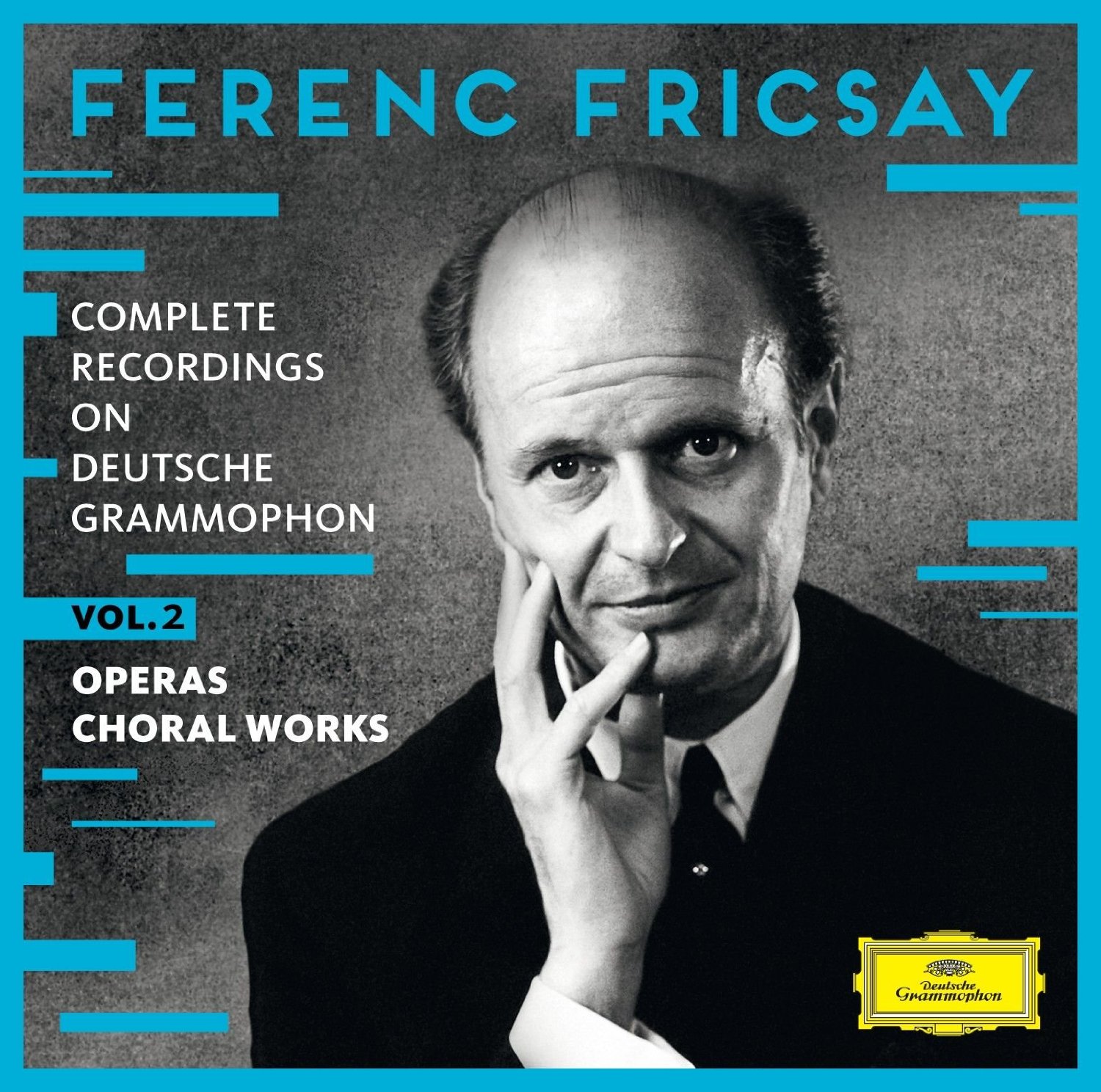
Nummerlijst

1cd: Bartók: Herzog Blaubarts Burg / Cantata profana
2cd: Beethoven: Fidelio(1)
3cd: Beethoven: Fidelio(2)
4cd: Bizet: Carmen
5cd: Gluck: Orpheus und Eurydike(1)
6cd: Gluck: Orpheus und Eurydike(2)
#TitelArtiestWaarderingDuur
1Orpheus und Eurydike: Zweiter Akt, Nr. 29. Ballett
leidinggevend producent:
Prof. Elsa Schiller (Deutsche Grammophon's head of production 1952-1965)
producent:
Wolfgang Lohse
orkest:
Radio-Symphonie-Orchester Berlin (aka RIAS‐Symphonie‐Orchester, 1946–1956 / Radio‐Symphonie‐Orchester Berlin, 1956–1993) (van 1956-09-08 tot 1956-09-12)
was dirigent:
Ferenc Fricsay (conductor) (van 1956-09-08 tot 1956-09-12)
balanstechnicus:
Alfred Steinke (van 1956-09-08 tot 1956-09-12)
opgenomen bij:
Jesus‐Christus‐Kirche (Dahlem) in Berlin, Duitsland (van 1956-09-08 tot 1956-09-12)
is een opname van:
Orpheus und Eurydike: Zweiter Akt, Nr. 29. Ballett (van 1956-09-08 tot 1956-09-12)
componist:
Christoph Willibald Gluck (composer)
deel van:
Orpheus und Eurydike: Akt II (German version)
Christoph Willibald Gluck2:53
2Orpheus und Eurydike: Zweiter Akt, Nr. 30. Ballett
leidinggevend producent:
Prof. Elsa Schiller (Deutsche Grammophon's head of production 1952-1965)
producent:
Wolfgang Lohse
orkest:
Radio-Symphonie-Orchester Berlin (aka RIAS‐Symphonie‐Orchester, 1946–1956 / Radio‐Symphonie‐Orchester Berlin, 1956–1993) (van 1956-09-08 tot 1956-09-12)
was dirigent:
Ferenc Fricsay (conductor) (van 1956-09-08 tot 1956-09-12)
balanstechnicus:
Alfred Steinke (van 1956-09-08 tot 1956-09-12)
opgenomen bij:
Jesus‐Christus‐Kirche (Dahlem) in Berlin, Duitsland (van 1956-09-08 tot 1956-09-12)
is een opname van:
Orpheus und Eurydike: Zweiter Akt, Nr. 30. Ballett (van 1956-09-08 tot 1956-09-12)
componist:
Christoph Willibald Gluck (composer)
deel van:
Orpheus und Eurydike: Akt II (German version)
Christoph Willibald Gluck4:25
3Orpheus und Eurydike: Zweiter Akt, Nr. 32. Arie & Chor: "Diese Auen sind seligem Frieden und der Ruhe nur geweiht" (Eurodyke, Chor der seligen Geister)
leidinggevend producent:
Prof. Elsa Schiller (Deutsche Grammophon's head of production 1952-1965)
producent:
Wolfgang Lohse
koor:
Berliner Motettenchor (van 1956-09-08 tot 1956-09-12) en RIAS-Kammerchor (German chamber choir) (van 1956-09-08 tot 1956-09-12)
sopraanvocalen [Eurydike]:
Maria Stader (soprano) (van 1956-09-08 tot 1956-09-12)
orkest:
Radio-Symphonie-Orchester Berlin (aka RIAS‐Symphonie‐Orchester, 1946–1956 / Radio‐Symphonie‐Orchester Berlin, 1956–1993) (van 1956-09-08 tot 1956-09-12)
was dirigent:
Ferenc Fricsay (conductor) (van 1956-09-08 tot 1956-09-12)
was koorleider:
Günther Arndt (choral conductor) (van 1956-09-08 tot 1956-09-12)
balanstechnicus:
Alfred Steinke (van 1956-09-08 tot 1956-09-12)
opgenomen bij:
Jesus‐Christus‐Kirche (Dahlem) in Berlin, Duitsland (van 1956-09-08 tot 1956-09-12)
is een opname van:
Orpheus und Eurydike: Akt II. „Diese Augen sind seligem Frieden und der Ruhe nur geweiht“ (van 1956-09-08 tot 1956-09-12)
componist:
Christoph Willibald Gluck (composer)
deel van:
Orpheus und Eurydike: Akt II (German version)
Christoph Willibald Gluck5:06
4Orpheus und Eurydike: Zweiter Akt, Nr. 33. Arie: "Welch reiner Himmel" (Orpheus)
leidinggevend producent:
Prof. Elsa Schiller (Deutsche Grammophon's head of production 1952-1965)
producent:
Wolfgang Lohse
baritonvocalen [Orpheus]:
Dietrich Fischer‐Dieskau (baritone) (van 1956-09-08 tot 1956-09-12)
orkest:
Radio-Symphonie-Orchester Berlin (aka RIAS‐Symphonie‐Orchester, 1946–1956 / Radio‐Symphonie‐Orchester Berlin, 1956–1993) (van 1956-09-08 tot 1956-09-12)
was dirigent:
Ferenc Fricsay (conductor) (van 1956-09-08 tot 1956-09-12)
balanstechnicus:
Alfred Steinke (van 1956-09-08 tot 1956-09-12)
opgenomen bij:
Jesus‐Christus‐Kirche (Dahlem) in Berlin, Duitsland (van 1956-09-08 tot 1956-09-12)
is een opname van:
Orpheus und Eurydike: Zweiter Akt, Nr. 33. Arie: "Welch reiner Himmel" (Orpheus) (van 1956-09-08 tot 1956-09-12)
componist:
Christoph Willibald Gluck (composer)
deel van:
Orpheus und Eurydike: Akt II (German version)
Christoph Willibald Gluck4:29
5Orpheus und Eurydike: Zweiter Akt, Nr. 34. Chor: "Komm ins Reich beglückter Schatten"
leidinggevend producent:
Prof. Elsa Schiller (Deutsche Grammophon's head of production 1952-1965)
producent:
Wolfgang Lohse
koor:
Berliner Motettenchor (van 1956-09-08 tot 1956-09-12) en RIAS-Kammerchor (German chamber choir) (van 1956-09-08 tot 1956-09-12)
orkest:
Radio-Symphonie-Orchester Berlin (aka RIAS‐Symphonie‐Orchester, 1946–1956 / Radio‐Symphonie‐Orchester Berlin, 1956–1993) (van 1956-09-08 tot 1956-09-12)
was dirigent:
Ferenc Fricsay (conductor) (van 1956-09-08 tot 1956-09-12)
was koorleider:
Günther Arndt (choral conductor) (van 1956-09-08 tot 1956-09-12)
balanstechnicus:
Alfred Steinke (van 1956-09-08 tot 1956-09-12)
opgenomen bij:
Jesus‐Christus‐Kirche (Dahlem) in Berlin, Duitsland (van 1956-09-08 tot 1956-09-12)
is een opname van:
Orpheus und Eurydike: Zweiter Akt, Nr. 34. Chor: "Komm ins Reich beglückter Schatten" (van 1956-09-08 tot 1956-09-12)
componist:
Christoph Willibald Gluck (composer)
deel van:
Orpheus und Eurydike: Akt II (German version)
Christoph Willibald Gluck2:25
6Orpheus und Eurydike: Zweiter Akt, Nr. 36. Rezitativ & Chor: "O sel'ge, beglückte Schatten" (Orpheus)
leidinggevend producent:
Prof. Elsa Schiller (Deutsche Grammophon's head of production 1952-1965)
producent:
Wolfgang Lohse
baritonvocalen [Orpheus]:
Dietrich Fischer‐Dieskau (baritone) (van 1956-09-08 tot 1956-09-12)
koor:
Berliner Motettenchor (van 1956-09-08 tot 1956-09-12) en RIAS-Kammerchor (German chamber choir) (van 1956-09-08 tot 1956-09-12)
orkest:
Radio-Symphonie-Orchester Berlin (aka RIAS‐Symphonie‐Orchester, 1946–1956 / Radio‐Symphonie‐Orchester Berlin, 1956–1993) (van 1956-09-08 tot 1956-09-12)
was dirigent:
Ferenc Fricsay (conductor) (van 1956-09-08 tot 1956-09-12)
was koorleider:
Günther Arndt (choral conductor) (van 1956-09-08 tot 1956-09-12)
balanstechnicus:
Alfred Steinke (van 1956-09-08 tot 1956-09-12)
opgenomen bij:
Jesus‐Christus‐Kirche (Dahlem) in Berlin, Duitsland (van 1956-09-08 tot 1956-09-12)
is een opname van:
Orpheus und Eurydike: Akt II. „Oh sel’ge, beglückte Schatten“ (van 1956-09-08 tot 1956-09-12)
componist:
Christoph Willibald Gluck (composer)
deel van:
Orpheus und Eurydike: Akt II (German version)
deel van:
Orpheus und Eurydike: Akt II (German version)
Christoph Willibald Gluck0:50
7Orpheus und Eurydike: Zweiter Akt, Nr. 37. Chor: "Aus dem Reich beglückter Schatten"
leidinggevend producent:
Prof. Elsa Schiller (Deutsche Grammophon's head of production 1952-1965)
producent:
Wolfgang Lohse
koor:
Berliner Motettenchor (van 1956-09-08 tot 1956-09-12) en RIAS-Kammerchor (German chamber choir) (van 1956-09-08 tot 1956-09-12)
orkest:
Radio-Symphonie-Orchester Berlin (aka RIAS‐Symphonie‐Orchester, 1946–1956 / Radio‐Symphonie‐Orchester Berlin, 1956–1993) (van 1956-09-08 tot 1956-09-12)
was dirigent:
Ferenc Fricsay (conductor) (van 1956-09-08 tot 1956-09-12)
was koorleider:
Günther Arndt (choral conductor) (van 1956-09-08 tot 1956-09-12)
balanstechnicus:
Alfred Steinke (van 1956-09-08 tot 1956-09-12)
opgenomen bij:
Jesus‐Christus‐Kirche (Dahlem) in Berlin, Duitsland (van 1956-09-08 tot 1956-09-12)
is een opname van:
Orpheus und Eurydike: Zweiter Akt, Nr. 37. Chor: "Aus dem Reich beglückter Schatten" (van 1956-09-08 tot 1956-09-12)
componist:
Christoph Willibald Gluck (composer)
deel van:
Orpheus und Eurydike: Akt II (German version)
Christoph Willibald Gluck3:15
8Orpheus und Eurydike: Dritter Akt, Nr. 38. Rezitativ: "So komm Eurydike, folge mir" (Orpheus, Eurydike)
leidinggevend producent:
Prof. Elsa Schiller (Deutsche Grammophon's head of production 1952-1965)
producent:
Wolfgang Lohse
baritonvocalen [Orpheus]:
Dietrich Fischer‐Dieskau (baritone) (van 1956-09-08 tot 1956-09-12)
sopraanvocalen [Eurydike]:
Maria Stader (soprano) (van 1956-09-08 tot 1956-09-12)
orkest:
Radio-Symphonie-Orchester Berlin (aka RIAS‐Symphonie‐Orchester, 1946–1956 / Radio‐Symphonie‐Orchester Berlin, 1956–1993) (van 1956-09-08 tot 1956-09-12)
was dirigent:
Ferenc Fricsay (conductor) (van 1956-09-08 tot 1956-09-12)
balanstechnicus:
Alfred Steinke (van 1956-09-08 tot 1956-09-12)
opgenomen bij:
Jesus‐Christus‐Kirche (Dahlem) in Berlin, Duitsland (van 1956-09-08 tot 1956-09-12)
is een opname van:
Orpheus und Eurydike: Dritter Akt, Nr. 38. Rezitativ: "So komm Eurydike, folge mir" (Orpheus, Eurydike) (van 1956-09-08 tot 1956-09-12)
componist:
Christoph Willibald Gluck (composer)
deel van:
Orpheus und Eurydike: Akt III (German version)
Christoph Willibald Gluck3:20
9Orpheus und Eurydike: Dritter Akt, Nr. 39. Duett: "Komm und vertrau meiner Treue" (Orpheus, Eurydike)
leidinggevend producent:
Prof. Elsa Schiller (Deutsche Grammophon's head of production 1952-1965)
producent:
Wolfgang Lohse
baritonvocalen [Orpheus]:
Dietrich Fischer‐Dieskau (baritone) (van 1956-09-08 tot 1956-09-12)
sopraanvocalen [Eurydike]:
Maria Stader (soprano) (van 1956-09-08 tot 1956-09-12)
orkest:
Radio-Symphonie-Orchester Berlin (aka RIAS‐Symphonie‐Orchester, 1946–1956 / Radio‐Symphonie‐Orchester Berlin, 1956–1993) (van 1956-09-08 tot 1956-09-12)
was dirigent:
Ferenc Fricsay (conductor) (van 1956-09-08 tot 1956-09-12)
balanstechnicus:
Alfred Steinke (van 1956-09-08 tot 1956-09-12)
opgenomen bij:
Jesus‐Christus‐Kirche (Dahlem) in Berlin, Duitsland (van 1956-09-08 tot 1956-09-12)
is een opname van:
Orpheus und Eurydike: Akt III. „Komm und vertrau meiner Treue“ (van 1956-09-08 tot 1956-09-12)
componist:
Christoph Willibald Gluck (composer)
deel van:
Orpheus und Eurydike: Akt III (German version)
Christoph Willibald Gluck3:46
10Orpheus und Eurydike: Dritter Akt, Nr. 40. Rezitativ: "Ach, warum bleibt er in diesem starren Schweigen?" (Eurydike)
leidinggevend producent:
Prof. Elsa Schiller (Deutsche Grammophon's head of production 1952-1965)
producent:
Wolfgang Lohse
sopraanvocalen [Eurydike]:
Maria Stader (soprano) (van 1956-09-08 tot 1956-09-12)
orkest:
Radio-Symphonie-Orchester Berlin (aka RIAS‐Symphonie‐Orchester, 1946–1956 / Radio‐Symphonie‐Orchester Berlin, 1956–1993) (van 1956-09-08 tot 1956-09-12)
was dirigent:
Ferenc Fricsay (conductor) (van 1956-09-08 tot 1956-09-12)
balanstechnicus:
Alfred Steinke (van 1956-09-08 tot 1956-09-12)
opgenomen bij:
Jesus‐Christus‐Kirche (Dahlem) in Berlin, Duitsland (van 1956-09-08 tot 1956-09-12)
is een opname van:
Orpheus und Eurydike: Dritter Akt, Nr. 40. Rezitativ: "Ach, warum bleibt er in diesem starren Schweigen?" (Eurydike) (van 1956-09-08 tot 1956-09-12)
componist:
Christoph Willibald Gluck (composer)
deel van:
Orpheus und Eurydike: Akt III (German version)
Christoph Willibald Gluck1:21
11Orpheus und Eurydike: Dritter Akt, Nr. 41. Arie & Duett: "Welch' grausame Wandlung" (Eurydike, Orpheus)
leidinggevend producent:
Prof. Elsa Schiller (Deutsche Grammophon's head of production 1952-1965)
producent:
Wolfgang Lohse
baritonvocalen [Orpheus]:
Dietrich Fischer‐Dieskau (baritone) (van 1956-09-08 tot 1956-09-12)
sopraanvocalen [Eurydike]:
Maria Stader (soprano) (van 1956-09-08 tot 1956-09-12)
orkest:
Radio-Symphonie-Orchester Berlin (aka RIAS‐Symphonie‐Orchester, 1946–1956 / Radio‐Symphonie‐Orchester Berlin, 1956–1993) (van 1956-09-08 tot 1956-09-12)
was dirigent:
Ferenc Fricsay (conductor) (van 1956-09-08 tot 1956-09-12)
balanstechnicus:
Alfred Steinke (van 1956-09-08 tot 1956-09-12)
opgenomen bij:
Jesus‐Christus‐Kirche (Dahlem) in Berlin, Duitsland (van 1956-09-08 tot 1956-09-12)
is een opname van:
Orpheus und Eurydike: Dritter Akt, Nr. 41. Arie & Duett: "Welch' grausame Wandlung" (Eurydike, Orpheus) (van 1956-09-08 tot 1956-09-12)
componist:
Christoph Willibald Gluck (composer)
deel van:
Orpheus und Eurydike: Akt III (German version)
Christoph Willibald Gluck3:04
12Orpheus und Eurydike: Dritter Akt, Nr. 42. Rezitativ: "Ach, nun erneut sich mein Jammer!" (Orpheus, Eurydike)
leidinggevend producent:
Prof. Elsa Schiller (Deutsche Grammophon's head of production 1952-1965)
producent:
Wolfgang Lohse
baritonvocalen [Orpheus]:
Dietrich Fischer‐Dieskau (baritone) (van 1956-09-08 tot 1956-09-12)
sopraanvocalen [Eurydike]:
Maria Stader (soprano) (van 1956-09-08 tot 1956-09-12)
orkest:
Radio-Symphonie-Orchester Berlin (aka RIAS‐Symphonie‐Orchester, 1946–1956 / Radio‐Symphonie‐Orchester Berlin, 1956–1993) (van 1956-09-08 tot 1956-09-12)
was dirigent:
Ferenc Fricsay (conductor) (van 1956-09-08 tot 1956-09-12)
balanstechnicus:
Alfred Steinke (van 1956-09-08 tot 1956-09-12)
opgenomen bij:
Jesus‐Christus‐Kirche (Dahlem) in Berlin, Duitsland (van 1956-09-08 tot 1956-09-12)
is een opname van:
Orpheus und Eurydike: Dritter Akt, Nr. 42. Rezitativ: "Ach, nun erneut sich mein Jammer!" (Orpheus, Eurydike) (van 1956-09-08 tot 1956-09-12)
componist:
Christoph Willibald Gluck (composer)
deel van:
Orpheus und Eurydike: Akt III (German version)
Christoph Willibald Gluck3:03
13Orpheus und Eurydike: Dritter Akt, Nr. 43. Arie: "Ach, ich habe sie verloren" (Orpheus)
leidinggevend producent:
Prof. Elsa Schiller (Deutsche Grammophon's head of production 1952-1965)
producent:
Wolfgang Lohse
baritonvocalen [Orpheus]:
Dietrich Fischer‐Dieskau (baritone) (van 1956-09-08 tot 1956-09-12)
orkest:
Radio-Symphonie-Orchester Berlin (aka RIAS‐Symphonie‐Orchester, 1946–1956 / Radio‐Symphonie‐Orchester Berlin, 1956–1993) (van 1956-09-08 tot 1956-09-12)
was dirigent:
Ferenc Fricsay (conductor) (van 1956-09-08 tot 1956-09-12)
balanstechnicus:
Alfred Steinke (van 1956-09-08 tot 1956-09-12)
opgenomen bij:
Jesus‐Christus‐Kirche (Dahlem) in Berlin, Duitsland (van 1956-09-08 tot 1956-09-12)
is een opname van:
Orpheus und Eurydike: Akt III. „Ach, Ich habe sie verloren“ (van 1956-09-08 tot 1956-09-12)
componist:
Christoph Willibald Gluck (composer)
deel van:
Orpheus und Eurydike: Akt III (German version)
Christoph Willibald Gluck4:22
14Orpheus und Eurydike: Dritter Akt, Nr. 44. Rezitativ: "So mag der tiefe Schmerz mit meinem Leben enden!" (Orpheus, Amor, Eurydike)
leidinggevend producent:
Prof. Elsa Schiller (Deutsche Grammophon's head of production 1952-1965)
producent:
Wolfgang Lohse
baritonvocalen [Orpheus]:
Dietrich Fischer‐Dieskau (baritone) (van 1956-09-08 tot 1956-09-12)
sopraanvocalen [Amor]:
Rita Streich (soprano) (van 1956-09-08 tot 1956-09-12)
sopraanvocalen [Eurydike]:
Maria Stader (soprano) (van 1956-09-08 tot 1956-09-12)
orkest:
Radio-Symphonie-Orchester Berlin (aka RIAS‐Symphonie‐Orchester, 1946–1956 / Radio‐Symphonie‐Orchester Berlin, 1956–1993) (van 1956-09-08 tot 1956-09-12)
was dirigent:
Ferenc Fricsay (conductor) (van 1956-09-08 tot 1956-09-12)
balanstechnicus:
Alfred Steinke (van 1956-09-08 tot 1956-09-12)
opgenomen bij:
Jesus‐Christus‐Kirche (Dahlem) in Berlin, Duitsland (van 1956-09-08 tot 1956-09-12)
is een opname van:
Orpheus und Eurydike: Akt III. „So mag der tiefe Schmerz mit meinem Leben enden!“ (van 1956-09-08 tot 1956-09-12)
componist:
Christoph Willibald Gluck (composer)
deel van:
Orpheus und Eurydike: Akt III (German version)
Christoph Willibald Gluck3:00
15Orpheus und Eurydike: Dritter Akt, Nr. 45. Chor & Soli: "Triumph sei Amor" (Orpheus, Amor, Eurydike)
leidinggevend producent:
Prof. Elsa Schiller (Deutsche Grammophon's head of production 1952-1965)
producent:
Wolfgang Lohse
baritonvocalen [Orpheus]:
Dietrich Fischer‐Dieskau (baritone) (van 1956-09-08 tot 1956-09-12)
koor:
Berliner Motettenchor (van 1956-09-08 tot 1956-09-12) en RIAS-Kammerchor (German chamber choir) (van 1956-09-08 tot 1956-09-12)
sopraanvocalen [Amor]:
Rita Streich (soprano) (van 1956-09-08 tot 1956-09-12)
sopraanvocalen [Eurydike]:
Maria Stader (soprano) (van 1956-09-08 tot 1956-09-12)
orkest:
Radio-Symphonie-Orchester Berlin (aka RIAS‐Symphonie‐Orchester, 1946–1956 / Radio‐Symphonie‐Orchester Berlin, 1956–1993) (van 1956-09-08 tot 1956-09-12)
was dirigent:
Ferenc Fricsay (conductor) (van 1956-09-08 tot 1956-09-12)
was koorleider:
Günther Arndt (choral conductor) (van 1956-09-08 tot 1956-09-12)
balanstechnicus:
Alfred Steinke (van 1956-09-08 tot 1956-09-12)
opgenomen bij:
Jesus‐Christus‐Kirche (Dahlem) in Berlin, Duitsland (van 1956-09-08 tot 1956-09-12)
is een opname van:
Orpheus und Eurydike: Akt III. „Triumph sei Amor“ (van 1956-09-08 tot 1956-09-12)
componist:
Christoph Willibald Gluck (composer)
deel van:
Orpheus und Eurydike: Akt III (German version)
Christoph Willibald Gluck3:26
7cd: Haydn: The Seasons(1)
8cd: Haydn: The Seasons(2)
9cd: Haydn: The Seasons(3)
10cd: Haydn: The Seasons(4) / Haydn: Te Deum
11cd: Kodály: Psalmus Hungaricus
12cd: Mendelssohn: A Midsummer Night's Dream
13cd: Mozart: Great Mass in C minor / Laudate omnes gentes / Exsultate, jubilate
14cd: Mozart: Requiem
15cd: Mozart: Die Entführung aus dem Serail(1)
16cd: Mozart: Die Entführung aus dem Serail(2) / Exsultate, jubilate / Arias
17cd: Mozart: The Magic Flute(1)
18cd: Mozart: The Magic Flute(2)
19cd: Mozart: Don Giovanni(1)
20cd: Mozart: Don Giovanni(2)
21cd: Mozart: Don Giovanni(3)
22cd: Mozart: Idomeneo(1)
23cd: Mozart: Idomeneo(2)
24cd: Mozart: Le nozze di Figaro(1)
25cd: Mozart: Le nozze di Figaro(2)
26cd: Mozart: Le nozze di Figaro(3)
27cd: Rossini: Stabat Mater
28cd: J. Strauss II: Die Fledermaus(1)
29cd: J. Strauss II: Die Fledermaus(2) / Voices of Spring
30cd: Igor Stravinsky: Oedipus Rex / Symphony of Psalms
31cd: Verdi: Requiem(1)
32cd: Verdi: Requiem(2)
33cd: Verdi: Requiem(3) / Quattro pezzi sacri
34cd: Wagner: Der fliegende Holländer(1)
35cd: Wagner: Der fliegende Holländer(2)
36cd: Bizet, Gounod, Verdi...:Opera Arias / Orff: Carmina Burana(excerpts)
37cd: Interviews with Ferenc Fricsay
38dvd-video: Dukas: The Sorcerer's Apprentice / Kodály: Háry János Suite

Relaties

Uitgave

gefabriceerd in:EU (Europa)
fotografie:Erich Auerbach (photographer) (taak: box photo left side © Erich Auerbach)
Hugo Jehle (photographer) (taak: box photo right side © Hugo Jehle)
Legrand (photo studio) (taak: box cover photo © Legrand)
fonografisch auteursrecht (℗):Deutsche Grammophon GmbH (this is the company; for release labels, use “Deutsche Grammophon”) (in 2015)
Discogs:https://www.discogs.com/release/11744322 [info]
ASIN:UK: B00W6ET93W [info]
discografisch lemma:http://www.deutschegrammophon.com/en/cat/4794641 [info]