| # | Title | Artist | Rating | Length |
|---|
| 1 | Cantata BWV 121 "Christum, wir sollen loben schon": I. Chorus: Christum wir sollen loben schon- sound engineer:
- Hans‐Peter Schweigmann
- producer:
- Hansjoachim Reiser
- bassoon [Fagott]:
- Detlef Kühl (from 1971-06 until 1971-07), Karl Kolbinger (from 1971-06 until 1971-07, in 1972-03) and Detlev Kühl (in 1972-03)
- cello [Violoncello]:
- Johannes Fink (from 1971-06 until 1971-07, in 1972-03) and Fritz Kiskalt (from 1971-06 until 1971-07, in 1972-03)
- double bass [Kontrabaß]:
- Herbert Duft (from 1971-06 until 1971-07, in 1975-03)
- oboe d'amore:
- Manfred Clement (from 1971-06 until 1971-07, in 1972-03)
- organ [Orgel]:
- Hedwig Bilgram (from 1971-06 until 1971-07, in 1972-03) and Elmar Schloter (from 1971-06 until 1971-07, in 1972-03)
- choir vocals:
- Münchener Bach‐Chor (from 1971-06 until 1971-07, in 1972-03)
- orchestra:
- Münchener Bach‐Orchester (from 1971-06 until 1971-07, in 1972-03)
- conductor:
- Karl Richter (from 1971-06 until 1971-07, in 1972-03)
- phonographic copyright (℗) by:
- Deutsche Grammophon GmbH (in 1972) and Polydor International GmbH (in 1972)
- recorded at:
- Herkulessaal in München , Bayern , Germany (from 1971-06 until 1971-07, in 1972-03)
- recording of:
- Kantate, BWV 121 "Christum wir sollen loben schon": I. Coro "Christum wir sollen loben schon" (from 1971-06 until 1971-07)
- composer:
- Johann Sebastian Bach (in 1724)
- premiered at:
- Thomaskirche in Leipzig, Sachsen , Germany (on 1724-12-26)
- part of:
- Kantate, BWV 121 "Christum wir sollen loben schon"
| Johann Sebastian Bach | | 2:30 |
| 2 | Cantata BWV 121 "Christum, wir sollen loben schon": II. Aria (Tenor): O du von Gott erhöhte Kreatur- sound engineer:
- Hans‐Peter Schweigmann
- producer:
- Hansjoachim Reiser
- bassoon [Fagott]:
- Detlef Kühl (from 1971-06 until 1971-07), Karl Kolbinger (from 1971-06 until 1971-07, in 1972-03) and Detlev Kühl (in 1972-03)
- cello [Violoncello]:
- Johannes Fink (from 1971-06 until 1971-07, in 1972-03) and Fritz Kiskalt (from 1971-06 until 1971-07, in 1972-03)
- double bass [Kontrabaß]:
- Herbert Duft (from 1971-06 until 1971-07, in 1975-03)
- oboe d'amore:
- Manfred Clement (from 1971-06 until 1971-07, in 1972-03)
- organ [Orgel]:
- Hedwig Bilgram (from 1971-06 until 1971-07, in 1972-03) and Elmar Schloter (from 1971-06 until 1971-07, in 1972-03)
- tenor vocals:
- Peter Schreier (from 1971-06 until 1971-07, in 1972-03)
- orchestra:
- Münchener Bach‐Orchester (from 1971-06 until 1971-07, in 1972-03)
- conductor:
- Karl Richter (from 1971-06 until 1971-07, in 1972-03)
- phonographic copyright (℗) by:
- Deutsche Grammophon GmbH (in 1972) and Polydor International GmbH (in 1972)
- recorded at:
- Herkulessaal in München , Bayern , Germany (from 1971-06 until 1971-07, in 1972-03)
- recording of:
- Kantate, BWV 121 "Christum wir sollen loben schon": II. Aria (Tenor) "O du von Gott erhöhte Kreatur" (from 1971-06 until 1971-07)
- composer:
- Johann Sebastian Bach (in 1724)
- premiered at:
- Thomaskirche in Leipzig, Sachsen , Germany (on 1724-12-26)
- part of:
- Kantate, BWV 121 "Christum wir sollen loben schon"
| Johann Sebastian Bach | | 5:02 |
| 3 | Cantata BWV 121 "Christum, wir sollen loben schon": III. Recitative (Alto): Der Gnade unermeßlichs Wesen- sound engineer:
- Hans‐Peter Schweigmann
- producer:
- Hansjoachim Reiser
- bassoon [Fagott]:
- Detlef Kühl (from 1971-06 until 1971-07), Karl Kolbinger (from 1971-06 until 1971-07, in 1972-03) and Detlev Kühl (in 1972-03)
- cello [Violoncello]:
- Johannes Fink (from 1971-06 until 1971-07, in 1972-03) and Fritz Kiskalt (from 1971-06 until 1971-07, in 1972-03)
- double bass [Kontrabaß]:
- Herbert Duft (from 1971-06 until 1971-07, in 1975-03)
- oboe d'amore:
- Manfred Clement (from 1971-06 until 1971-07, in 1972-03)
- organ [Orgel]:
- Hedwig Bilgram (from 1971-06 until 1971-07, in 1972-03) and Elmar Schloter (from 1971-06 until 1971-07, in 1972-03)
- alto vocals:
- Anna Reynolds (from 1971-06 until 1971-07, in 1972-03)
- orchestra:
- Münchener Bach‐Orchester (from 1971-06 until 1971-07, in 1972-03)
- conductor:
- Karl Richter (from 1971-06 until 1971-07, in 1972-03)
- phonographic copyright (℗) by:
- Deutsche Grammophon GmbH (in 1972) and Polydor International GmbH (in 1972)
- recorded at:
- Herkulessaal in München , Bayern , Germany (from 1971-06 until 1971-07, in 1972-03)
- recording of:
- Kantate, BWV 121 "Christum wir sollen loben schon": III. Recitativo (Alt) "Der Gnad unermeßlichs Wesen" (from 1971-06 until 1971-07)
- composer:
- Johann Sebastian Bach (in 1724)
- premiered at:
- Thomaskirche in Leipzig, Sachsen , Germany (on 1724-12-26)
- part of:
- Kantate, BWV 121 "Christum wir sollen loben schon"
| Johann Sebastian Bach | | 1:32 |
| 4 | Cantata BWV 121 "Christum, wir sollen loben schon": IV. Aria (Bass): Johannis freudenvolles Springen- sound engineer:
- Hans‐Peter Schweigmann
- producer:
- Hansjoachim Reiser
- bassoon [Fagott]:
- Detlef Kühl (from 1971-06 until 1971-07), Karl Kolbinger (from 1971-06 until 1971-07, in 1972-03) and Detlev Kühl (in 1972-03)
- cello [Violoncello]:
- Johannes Fink (from 1971-06 until 1971-07, in 1972-03) and Fritz Kiskalt (from 1971-06 until 1971-07, in 1972-03)
- double bass [Kontrabaß]:
- Herbert Duft (from 1971-06 until 1971-07, in 1975-03)
- oboe d'amore:
- Manfred Clement (from 1971-06 until 1971-07, in 1972-03)
- organ [Orgel]:
- Hedwig Bilgram (from 1971-06 until 1971-07, in 1972-03) and Elmar Schloter (from 1971-06 until 1971-07, in 1972-03)
- bass vocals:
- Dietrich Fischer‐Dieskau (from 1971-06 until 1971-07, in 1972-03)
- orchestra:
- Münchener Bach‐Orchester (from 1971-06 until 1971-07, in 1972-03)
- conductor:
- Karl Richter (from 1971-06 until 1971-07, in 1972-03)
- phonographic copyright (℗) by:
- Deutsche Grammophon GmbH (in 1972) and Polydor International GmbH (in 1972)
- recorded at:
- Herkulessaal in München , Bayern , Germany (from 1971-06 until 1971-07, in 1972-03)
- recording of:
- Kantate, BWV 121 "Christum wir sollen loben schon": IV. Aria (Bass) "Johannis freudenvolles Springen" (from 1971-06 until 1971-07)
- composer:
- Johann Sebastian Bach (in 1724)
- premiered at:
- Thomaskirche in Leipzig, Sachsen , Germany (on 1724-12-26)
- part of:
- Kantate, BWV 121 "Christum wir sollen loben schon"
| Johann Sebastian Bach | | 8:50 |
| 5 | Cantata BWV 121 "Christum, wir sollen loben schon": V. Recitative (Soprano): Doch wie erblickt es dich in deiner Krippen- sound engineer:
- Hans‐Peter Schweigmann
- producer:
- Hansjoachim Reiser
- bassoon [Fagott]:
- Detlef Kühl (from 1971-06 until 1971-07), Karl Kolbinger (from 1971-06 until 1971-07, in 1972-03) and Detlev Kühl (in 1972-03)
- cello [Violoncello]:
- Johannes Fink (from 1971-06 until 1971-07, in 1972-03) and Fritz Kiskalt (from 1971-06 until 1971-07, in 1972-03)
- double bass [Kontrabaß]:
- Herbert Duft (from 1971-06 until 1971-07, in 1975-03)
- oboe d'amore:
- Manfred Clement (from 1971-06 until 1971-07, in 1972-03)
- organ [Orgel]:
- Hedwig Bilgram (from 1971-06 until 1971-07, in 1972-03) and Elmar Schloter (from 1971-06 until 1971-07, in 1972-03)
- soprano vocals:
- Edith Mathis (from 1971-06 until 1971-07, in 1972-03)
- orchestra:
- Münchener Bach‐Orchester (from 1971-06 until 1971-07, in 1972-03)
- conductor:
- Karl Richter (from 1971-06 until 1971-07, in 1972-03)
- phonographic copyright (℗) by:
- Deutsche Grammophon GmbH (in 1972) and Polydor International GmbH (in 1972)
- recorded at:
- Herkulessaal in München , Bayern , Germany (from 1971-06 until 1971-07, in 1972-03)
- recording of:
- Kantate, BWV 121 "Christum wir sollen loben schon": V. Recitativo (Sopran) "Doch wie erblickt es dich in deiner Krippen" (from 1971-06 until 1971-07)
- composer:
- Johann Sebastian Bach (in 1724)
- premiered at:
- Thomaskirche in Leipzig, Sachsen , Germany (on 1724-12-26)
- part of:
- Kantate, BWV 121 "Christum wir sollen loben schon"
| Johann Sebastian Bach | | 1:23 |
| 6 | Cantata BWV 121 "Christum, wir sollen loben schon": VI. Chorale: Lob, Ehr und Dank sei dir gesagt (Christum wir sollen loben schon)- sound engineer:
- Hans‐Peter Schweigmann
- producer:
- Hansjoachim Reiser
- bassoon [Fagott]:
- Detlef Kühl (from 1971-06 until 1971-07), Karl Kolbinger (from 1971-06 until 1971-07, in 1972-03) and Detlev Kühl (in 1972-03)
- cello [Violoncello]:
- Johannes Fink (from 1971-06 until 1971-07, in 1972-03) and Fritz Kiskalt (from 1971-06 until 1971-07, in 1972-03)
- double bass [Kontrabaß]:
- Herbert Duft (from 1971-06 until 1971-07, in 1975-03)
- oboe d'amore:
- Manfred Clement (from 1971-06 until 1971-07, in 1972-03)
- organ [Orgel]:
- Hedwig Bilgram (from 1971-06 until 1971-07, in 1972-03) and Elmar Schloter (from 1971-06 until 1971-07, in 1972-03)
- choir vocals:
- Münchener Bach‐Chor (from 1971-06 until 1971-07, in 1972-03)
- orchestra:
- Münchener Bach‐Orchester (from 1971-06 until 1971-07, in 1972-03)
- conductor:
- Karl Richter (from 1971-06 until 1971-07, in 1972-03)
- phonographic copyright (℗) by:
- Deutsche Grammophon GmbH (in 1972) and Polydor International GmbH (in 1972)
- recorded at:
- Herkulessaal in München , Bayern , Germany (from 1971-06 until 1971-07, in 1972-03)
- recording of:
- Kantate, BWV 121 "Christum wir sollen loben schon": VI. Choral "Lob, Ehr und Dank sei dir gesagt" (from 1971-06 until 1971-07)
- lyricist:
- Martin Luther
- composer:
- Johann Sebastian Bach (in 1724)
- premiered at:
- Thomaskirche in Leipzig, Sachsen , Germany (on 1724-12-26)
- part of:
- Breitkopf 389 Choralgesänge (number: 42)
- part of:
- Kantate, BWV 121 "Christum wir sollen loben schon"
| Johann Sebastian Bach | | 1:11 |
| 7 | Cantata BWV 64 "Sehet, welch eine Liebe hat uns der Vater erzeiget": I. Chorus: Sehet, welch eine Liebe hat uns der Vater erzeiget- sound engineer:
- Hans‐Peter Schweigmann
- producer:
- Rainer Brock and Hansjoachim Reiser
- bassoon [Fagott]:
- Detlef Kühl (from 1970-06 until 1970-07), Karl Kolbinger (from 1970-06 until 1970-07, in 1972-04) and Detlev Kühl (in 1972-04)
- cello [Violoncello]:
- Johannes Fink (from 1970-06 until 1970-07, in 1972-04) and Fritz Kiskalt (from 1970-06 until 1970-07, in 1972-04)
- double bass [Kontrabaß]:
- Herbert Duft (from 1970-06 until 1970-07, in 1972-04)
- oboe d'amore:
- Manfred Clement (from 1970-06 until 1970-07, in 1972-04)
- organ [Orgel]:
- Hedwig Bilgram (from 1970-06 until 1970-07, in 1972-04) and Elmar Schloter (from 1970-06 until 1970-07, in 1972-04)
- choir vocals:
- Münchener Bach‐Chor (from 1970-06 until 1970-07, in 1972-04)
- orchestra:
- Münchener Bach‐Orchester (from 1970-06 until 1970-07, in 1972-04)
- conductor:
- Karl Richter (from 1970-06 until 1970-07, in 1972-04)
- phonographic copyright (℗) by:
- Deutsche Grammophon GmbH (in 1972) and Polydor International GmbH (in 1972)
- recorded at:
- Herkulessaal in München , Bayern , Germany (from 1970-06 until 1970-07, in 1972-04)
- recording of:
- Kantate, BWV 64 "Sehet, welch eine Liebe hat uns der Vater erzeiget": I. Coro "Sehet, welch eine Liebe hat uns der Vater erzeiget" (from 1970-06 until 1970-07)
- composer:
- Johann Sebastian Bach (in 1723)
- part of:
- Kantate, BWV 64 "Sehet, welch eine Liebe hat uns der Vater erzeiget"
| Johann Sebastian Bach | | 2:23 |
| 8 | Cantata BWV 64 "Sehet, welch eine Liebe hat uns der Vater erzeiget": II. Chorus: Das hat er alles uns getan- sound engineer:
- Hans‐Peter Schweigmann
- producer:
- Rainer Brock and Hansjoachim Reiser
- bassoon [Fagott]:
- Detlef Kühl (from 1970-06 until 1970-07), Karl Kolbinger (from 1970-06 until 1970-07, in 1972-04) and Detlev Kühl (in 1972-04)
- cello [Violoncello]:
- Johannes Fink (from 1970-06 until 1970-07, in 1972-04) and Fritz Kiskalt (from 1970-06 until 1970-07, in 1972-04)
- double bass [Kontrabaß]:
- Herbert Duft (from 1970-06 until 1970-07, in 1972-04)
- oboe d'amore:
- Manfred Clement (from 1970-06 until 1970-07, in 1972-04)
- organ [Orgel]:
- Hedwig Bilgram (from 1970-06 until 1970-07, in 1972-04) and Elmar Schloter (from 1970-06 until 1970-07, in 1972-04)
- choir vocals:
- Münchener Bach‐Chor (from 1970-06 until 1970-07, in 1972-04)
- orchestra:
- Münchener Bach‐Orchester (from 1970-06 until 1970-07, in 1972-04)
- conductor:
- Karl Richter (from 1970-06 until 1970-07, in 1972-04)
- phonographic copyright (℗) by:
- Deutsche Grammophon GmbH (in 1972) and Polydor International GmbH (in 1972)
- recorded at:
- Herkulessaal in München , Bayern , Germany (from 1970-06 until 1970-07, in 1972-04)
- recording of:
- Kantate, BWV 64 "Sehet, welch eine Liebe hat uns der Vater erzeiget": II. Choral "Das hat er alles uns getan" (from 1970-06 until 1970-07)
- composer:
- Martin Luther and Johann Sebastian Bach (in 1723)
- part of:
- Breitkopf 389 Choralgesänge (number: 108)
- part of:
- Kantate, BWV 64 "Sehet, welch eine Liebe hat uns der Vater erzeiget"
| Johann Sebastian Bach | | 0:49 |
| 9 | Cantata BWV 64 "Sehet, welch eine Liebe hat uns der Vater erzeiget": III. Recitative (Alto): Geh, Welt! behalte nur das Deine- sound engineer:
- Hans‐Peter Schweigmann
- producer:
- Rainer Brock and Hansjoachim Reiser
- bassoon [Fagott]:
- Detlef Kühl (from 1970-06 until 1970-07), Karl Kolbinger (from 1970-06 until 1970-07, in 1972-04) and Detlev Kühl (in 1972-04)
- cello [Violoncello]:
- Johannes Fink (from 1970-06 until 1970-07, in 1972-04) and Fritz Kiskalt (from 1970-06 until 1970-07, in 1972-04)
- double bass [Kontrabaß]:
- Herbert Duft (from 1970-06 until 1970-07, in 1972-04)
- oboe d'amore:
- Manfred Clement (from 1970-06 until 1970-07, in 1972-04)
- organ [Orgel]:
- Hedwig Bilgram (from 1970-06 until 1970-07, in 1972-04) and Elmar Schloter (from 1970-06 until 1970-07, in 1972-04)
- alto vocals:
- Anna Reynolds (from 1970-06 until 1970-07, in 1972-04)
- orchestra:
- Münchener Bach‐Orchester (from 1970-06 until 1970-07, in 1972-04)
- conductor:
- Karl Richter (from 1970-06 until 1970-07, in 1972-04)
- phonographic copyright (℗) by:
- Deutsche Grammophon GmbH (in 1972) and Polydor International GmbH (in 1972)
- recorded at:
- Herkulessaal in München , Bayern , Germany (from 1970-06 until 1970-07, in 1972-04)
- recording of:
- Kantate, BWV 64 "Sehet, welch eine Liebe hat uns der Vater erzeiget": III. Recitativo (Alto) "Geh, Welt! behalte nur das Deine" (from 1970-06 until 1970-07)
- composer:
- Johann Sebastian Bach (in 1723)
- part of:
- Kantate, BWV 64 "Sehet, welch eine Liebe hat uns der Vater erzeiget"
| Johann Sebastian Bach | | 0:55 |
| 10 | Cantata BWV 64 "Sehet, welch eine Liebe hat uns der Vater erzeiget": IV. Chorus: Was frag ich nach der Welt- sound engineer:
- Hans‐Peter Schweigmann
- producer:
- Rainer Brock and Hansjoachim Reiser
- bassoon [Fagott]:
- Detlef Kühl (from 1970-06 until 1970-07), Karl Kolbinger (from 1970-06 until 1970-07, in 1972-04) and Detlev Kühl (in 1972-04)
- cello [Violoncello]:
- Johannes Fink (from 1970-06 until 1970-07, in 1972-04) and Fritz Kiskalt (from 1970-06 until 1970-07, in 1972-04)
- double bass [Kontrabaß]:
- Herbert Duft (from 1970-06 until 1970-07, in 1972-04)
- oboe d'amore:
- Manfred Clement (from 1970-06 until 1970-07, in 1972-04)
- organ [Orgel]:
- Hedwig Bilgram (from 1970-06 until 1970-07, in 1972-04) and Elmar Schloter (from 1970-06 until 1970-07, in 1972-04)
- choir vocals:
- Münchener Bach‐Chor (from 1970-06 until 1970-07, in 1972-04)
- orchestra:
- Münchener Bach‐Orchester (from 1970-06 until 1970-07, in 1972-04)
- conductor:
- Karl Richter (from 1970-06 until 1970-07, in 1972-04)
- phonographic copyright (℗) by:
- Deutsche Grammophon GmbH (in 1972) and Polydor International GmbH (in 1972)
- recorded at:
- Herkulessaal in München , Bayern , Germany (from 1970-06 until 1970-07, in 1972-04)
- recording of:
- Kantate, BWV 64 "Sehet, welch eine Liebe hat uns der Vater erzeiget": IV. Choral "Was frag ich nach der Welt" (from 1970-06 until 1970-07)
- lyricist:
- Georg Michael Pfefferkorn
- composer:
- Johann Sebastian Bach (in 1723)
- part of:
- Breitkopf 389 Choralgesänge (number: 280)
- part of:
- Kantate, BWV 64 "Sehet, welch eine Liebe hat uns der Vater erzeiget"
| Johann Sebastian Bach | | 1:02 |
| 11 | Cantata BWV 64 "Sehet, welch eine Liebe hat uns der Vater erzeiget": V. Aria (Soprano): Was die Welt in sich hält- sound engineer:
- Hans‐Peter Schweigmann
- producer:
- Rainer Brock and Hansjoachim Reiser
- bassoon [Fagott]:
- Detlef Kühl (from 1970-06 until 1970-07), Karl Kolbinger (from 1970-06 until 1970-07, in 1972-04) and Detlev Kühl (in 1972-04)
- cello [Violoncello]:
- Johannes Fink (from 1970-06 until 1970-07, in 1972-04) and Fritz Kiskalt (from 1970-06 until 1970-07, in 1972-04)
- double bass [Kontrabaß]:
- Herbert Duft (from 1970-06 until 1970-07, in 1972-04)
- oboe d'amore:
- Manfred Clement (from 1970-06 until 1970-07, in 1972-04)
- organ [Orgel]:
- Hedwig Bilgram (from 1970-06 until 1970-07, in 1972-04) and Elmar Schloter (from 1970-06 until 1970-07, in 1972-04)
- soprano vocals:
- Edith Mathis (from 1970-06 until 1970-07, in 1972-04)
- orchestra:
- Münchener Bach‐Orchester (from 1970-06 until 1970-07, in 1972-04)
- conductor:
- Karl Richter (from 1970-06 until 1970-07, in 1972-04)
- phonographic copyright (℗) by:
- Deutsche Grammophon GmbH (in 1972) and Polydor International GmbH (in 1972)
- recorded at:
- Herkulessaal in München , Bayern , Germany (from 1970-06 until 1970-07, in 1972-04)
- recording of:
- Kantate, BWV 64 "Sehet, welch eine Liebe hat uns der Vater erzeiget": V. Aria (Soprano) "Was die Welt in sich hält" (from 1970-06 until 1970-07)
- composer:
- Johann Sebastian Bach (in 1723)
- part of:
- Kantate, BWV 64 "Sehet, welch eine Liebe hat uns der Vater erzeiget"
| Johann Sebastian Bach | | 5:23 |
| 12 | Cantata BWV 64 "Sehet, welch eine Liebe hat uns der Vater erzeiget": VI. Recitative (Bass): Der Himmel bleibet mir gewiß- sound engineer:
- Hans‐Peter Schweigmann
- producer:
- Rainer Brock and Hansjoachim Reiser
- bassoon [Fagott]:
- Detlef Kühl (from 1970-06 until 1970-07), Karl Kolbinger (from 1970-06 until 1970-07, in 1972-04) and Detlev Kühl (in 1972-04)
- cello [Violoncello]:
- Johannes Fink (from 1970-06 until 1970-07, in 1972-04) and Fritz Kiskalt (from 1970-06 until 1970-07, in 1972-04)
- double bass [Kontrabaß]:
- Herbert Duft (from 1970-06 until 1970-07, in 1972-04)
- oboe d'amore:
- Manfred Clement (from 1970-06 until 1970-07, in 1972-04)
- organ [Orgel]:
- Hedwig Bilgram (from 1970-06 until 1970-07, in 1972-04) and Elmar Schloter (from 1970-06 until 1970-07, in 1972-04)
- bass vocals:
- Dietrich Fischer‐Dieskau (from 1970-06 until 1970-07, in 1972-04)
- orchestra:
- Münchener Bach‐Orchester (from 1970-06 until 1970-07, in 1972-04)
- conductor:
- Karl Richter (from 1970-06 until 1970-07, in 1972-04)
- phonographic copyright (℗) by:
- Deutsche Grammophon GmbH (in 1972) and Polydor International GmbH (in 1972)
- recorded at:
- Herkulessaal in München , Bayern , Germany (from 1970-06 until 1970-07, in 1972-04)
- recording of:
- Kantate, BWV 64 "Sehet, welch eine Liebe hat uns der Vater erzeiget": VI. Recitativo (Basso) "Der Himmel bleibet mir gewiß" (from 1970-06 until 1970-07)
- composer:
- Johann Sebastian Bach (in 1723)
- part of:
- Kantate, BWV 64 "Sehet, welch eine Liebe hat uns der Vater erzeiget"
| Johann Sebastian Bach | | 1:33 |
| 13 | Cantata BWV 64 "Sehet, welch eine Liebe hat uns der Vater erzeiget": VII. Aria (Alto): Von der Welt verlang ich nichts- sound engineer:
- Hans‐Peter Schweigmann
- producer:
- Rainer Brock and Hansjoachim Reiser
- bassoon [Fagott]:
- Detlef Kühl (from 1970-06 until 1970-07), Karl Kolbinger (from 1970-06 until 1970-07, in 1972-04) and Detlev Kühl (in 1972-04)
- cello [Violoncello]:
- Johannes Fink (from 1970-06 until 1970-07, in 1972-04) and Fritz Kiskalt (from 1970-06 until 1970-07, in 1972-04)
- double bass [Kontrabaß]:
- Herbert Duft (from 1970-06 until 1970-07, in 1972-04)
- oboe d'amore:
- Manfred Clement (from 1970-06 until 1970-07, in 1972-04)
- organ [Orgel]:
- Hedwig Bilgram (from 1970-06 until 1970-07, in 1972-04) and Elmar Schloter (from 1970-06 until 1970-07, in 1972-04)
- alto vocals:
- Anna Reynolds (from 1970-06 until 1970-07, in 1972-04)
- orchestra:
- Münchener Bach‐Orchester (from 1970-06 until 1970-07, in 1972-04)
- conductor:
- Karl Richter (from 1970-06 until 1970-07, in 1972-04)
- phonographic copyright (℗) by:
- Deutsche Grammophon GmbH (in 1972) and Polydor International GmbH (in 1972)
- recorded at:
- Herkulessaal in München , Bayern , Germany (from 1970-06 until 1970-07, in 1972-04)
- recording of:
- Kantate, BWV 64 "Sehet, welch eine Liebe hat uns der Vater erzeiget": VII. Aria (Alto) "Von der Welt verlang ich nichts" (from 1970-06 until 1970-07)
- composer:
- Johann Sebastian Bach (in 1723)
- part of:
- Kantate, BWV 64 "Sehet, welch eine Liebe hat uns der Vater erzeiget"
| Johann Sebastian Bach | | 6:45 |
| 14 | Cantata BWV 64 "Sehet, welch eine Liebe hat uns der Vater erzeiget": VIII. Chorale: Gute Nacht, O Wesen- sound engineer:
- Hans‐Peter Schweigmann
- producer:
- Rainer Brock and Hansjoachim Reiser
- bassoon [Fagott]:
- Detlef Kühl (from 1970-06 until 1970-07), Karl Kolbinger (from 1970-06 until 1970-07, in 1972-04) and Detlev Kühl (in 1972-04)
- cello [Violoncello]:
- Johannes Fink (from 1970-06 until 1970-07, in 1972-04) and Fritz Kiskalt (from 1970-06 until 1970-07, in 1972-04)
- double bass [Kontrabaß]:
- Herbert Duft (from 1970-06 until 1970-07, in 1972-04)
- oboe d'amore:
- Manfred Clement (from 1970-06 until 1970-07, in 1972-04)
- organ [Orgel]:
- Hedwig Bilgram (from 1970-06 until 1970-07, in 1972-04) and Elmar Schloter (from 1970-06 until 1970-07, in 1972-04)
- choir vocals:
- Münchener Bach‐Chor (from 1970-06 until 1970-07) and Münchener Bach‐Orchester (in 1972-04)
- orchestra:
- Münchener Bach‐Orchester (from 1970-06 until 1970-07, in 1972-04)
- conductor:
- Karl Richter (from 1970-06 until 1970-07, in 1972-04)
- phonographic copyright (℗) by:
- Deutsche Grammophon GmbH (in 1972) and Polydor International GmbH (in 1972)
- recorded at:
- Herkulessaal in München , Bayern , Germany (from 1970-06 until 1970-07, in 1972-04)
- recording of:
- Kantate, BWV 64 "Sehet, welch eine Liebe hat uns der Vater erzeiget": VIII. Choral "Gute Nacht, o Wesen" (from 1970-06 until 1970-07)
- lyricist:
- Johann Franck
- composer:
- Johann Sebastian Bach (in 1723)
- part of:
- Breitkopf 389 Choralgesänge (number: 200)
- part of:
- Kantate, BWV 64 "Sehet, welch eine Liebe hat uns der Vater erzeiget"
| Johann Sebastian Bach | | 1:29 |
| 15 | Cantata BWV 28 "Gottlob! Nun geht das Jahr zu Ende": I. Aria (Soprano): Gottlob! nun geht das Jahr zu Ende- sound engineer:
- Hans‐Peter Schweigmann
- producer:
- Hansjoachim Reiser
- bassoon [Fagott]:
- Detlef Kühl (from 1970-06 until 1970-07), Karl Kolbinger (from 1970-06 until 1970-07, from 1971-06 until 1971-07, in 1972-04) and Detlev Kühl (from 1971-06 until 1971-07, in 1972-04)
- cello [Violoncello]:
- Johannes Fink (from 1970-06 until 1970-07, from 1971-06 until 1971-07, in 1972-04) and Fritz Kiskalt (from 1970-06 until 1970-07, from 1971-06 until 1971-07, in 1972-04)
- double bass [Kontrabaß]:
- Herbert Duft (from 1970-06 until 1970-07, from 1971-06 until 1971-07, in 1972-04)
- organ:
- Elmar Schloter (in 1972-04)
- organ [Orgel]:
- Hedwig Bilgram (from 1970-06 until 1970-07, from 1971-06 until 1971-07, in 1972-04) and Elmar Schloter (from 1970-06 until 1970-07, from 1971-06 until 1971-07, in 1972-04)
- soprano vocals:
- Edith Mathis (from 1970-06 until 1970-07, from 1971-06 until 1971-07, in 1972-04)
- orchestra:
- Münchener Bach‐Orchester (from 1970-06 until 1970-07, from 1971-06 until 1971-07, in 1972-04)
- conductor:
- Karl Richter (from 1970-06 until 1970-07, from 1971-06 until 1971-07, in 1972-04)
- phonographic copyright (℗) by:
- Deutsche Grammophon GmbH (in 1972) and Polydor International GmbH (in 1972)
- recorded at:
- Herkulessaal in München , Bayern , Germany (from 1970-06 until 1970-07, in 1972-04, from 1972-06 until 1972-07)
- recording of:
- Kantate, BWV 28 "Gottlob! nun geht das Jahr zu Ende": I. Aria (Soprano) "Gottlob! nun geht das Jahr zu Ende" (from 1970-06 until 1970-07)
- composer:
- Johann Sebastian Bach (in 1725)
- librettist:
- Erdmann Neumeister (from 1714 until 1717)
- part of:
- Kantate, BWV 28 "Gottlob! nun geht das Jahr zu Ende"
| Johann Sebastian Bach | | 3:44 |
| 16 | Cantata BWV 28 "Gottlob! Nun geht das Jahr zu Ende": II. Chorus: Nun lob, mein Seel, den Herren- sound engineer:
- Hans‐Peter Schweigmann
- producer:
- Hansjoachim Reiser
- bassoon [Fagott]:
- Detlef Kühl (from 1970-06 until 1970-07), Karl Kolbinger (from 1970-06 until 1970-07, from 1971-06 until 1971-07, in 1972-04) and Detlev Kühl (from 1971-06 until 1971-07, in 1972-04)
- cello [Violoncello]:
- Johannes Fink (from 1970-06 until 1970-07, from 1971-06 until 1971-07, in 1972-04) and Fritz Kiskalt (from 1970-06 until 1970-07, from 1971-06 until 1971-07, in 1972-04)
- double bass [Kontrabaß]:
- Herbert Duft (from 1970-06 until 1970-07, from 1971-06 until 1971-07, in 1972-04)
- organ:
- Elmar Schloter (in 1972-04)
- organ [Orgel]:
- Hedwig Bilgram (from 1970-06 until 1970-07, from 1971-06 until 1971-07, in 1972-04) and Elmar Schloter (from 1970-06 until 1970-07, from 1971-06 until 1971-07, in 1972-04)
- choir vocals:
- Münchener Bach‐Chor (from 1970-06 until 1970-07, from 1971-06 until 1971-07, in 1972-04)
- orchestra:
- Münchener Bach‐Orchester (from 1970-06 until 1970-07, from 1971-06 until 1971-07, in 1972-04)
- conductor:
- Karl Richter (from 1970-06 until 1970-07, from 1971-06 until 1971-07, in 1972-04)
- phonographic copyright (℗) by:
- Deutsche Grammophon GmbH (in 1972) and Polydor International GmbH (in 1972)
- recorded at:
- Herkulessaal in München , Bayern , Germany (from 1970-06 until 1970-07, in 1972-04, from 1972-06 until 1972-07)
- recording of:
- Kantate, BWV 28 "Gottlob! nun geht das Jahr zu Ende": II. Coro "Nun lob, mein Seel, den Herren" (from 1970-06 until 1970-07)
- composer:
- Johann Sebastian Bach (in 1725)
- librettist:
- Johann Gramann (in 1530)
- is based on:
- Nun lob, mein Seel, den Herren
- part of:
- Kantate, BWV 28 "Gottlob! nun geht das Jahr zu Ende"
| Johann Sebastian Bach | | 4:25 |
| 17 | Cantata BWV 28 "Gottlob! Nun geht das Jahr zu Ende": III. Recitative and Arioso (Bass): So spricht der Herr- sound engineer:
- Hans‐Peter Schweigmann
- producer:
- Hansjoachim Reiser
- bassoon [Fagott]:
- Detlef Kühl (from 1970-06 until 1970-07), Karl Kolbinger (from 1970-06 until 1970-07, from 1971-06 until 1971-07, in 1972-04) and Detlev Kühl (from 1971-06 until 1971-07, in 1972-04)
- cello [Violoncello]:
- Johannes Fink (from 1970-06 until 1970-07, from 1971-06 until 1971-07, in 1972-04) and Fritz Kiskalt (from 1970-06 until 1970-07, from 1971-06 until 1971-07, in 1972-04)
- double bass [Kontrabaß]:
- Herbert Duft (from 1970-06 until 1970-07, from 1971-06 until 1971-07, in 1972-04)
- organ:
- Elmar Schloter (in 1972-04)
- organ [Orgel]:
- Hedwig Bilgram (from 1970-06 until 1970-07, from 1971-06 until 1971-07, in 1972-04) and Elmar Schloter (from 1970-06 until 1970-07, from 1971-06 until 1971-07, in 1972-04)
- bass vocals:
- Dietrich Fischer‐Dieskau (from 1970-06 until 1970-07, from 1971-06 until 1971-07, in 1972-04)
- orchestra:
- Münchener Bach‐Orchester (from 1970-06 until 1970-07, from 1971-06 until 1971-07, in 1972-04)
- conductor:
- Karl Richter (from 1970-06 until 1970-07, from 1971-06 until 1971-07, in 1972-04)
- phonographic copyright (℗) by:
- Deutsche Grammophon GmbH (in 1972) and Polydor International GmbH (in 1972)
- recorded at:
- Herkulessaal in München , Bayern , Germany (from 1970-06 until 1970-07, in 1972-04, from 1972-06 until 1972-07)
- recording of:
- Kantate, BWV 28 "Gottlob! nun geht das Jahr zu Ende": III. Recitativo (Arioso: Basso) "So spricht der Herr" (from 1970-06 until 1970-07)
- composer:
- Johann Sebastian Bach (in 1725)
- part of:
- Kantate, BWV 28 "Gottlob! nun geht das Jahr zu Ende"
| Johann Sebastian Bach | | 1:55 |
| 18 | Cantata BWV 28 "Gottlob! Nun geht das Jahr zu Ende": IV. Recitative (Tenor): Gott ist ein Quell, wo lauter Güte fleußt- sound engineer:
- Hans‐Peter Schweigmann
- producer:
- Hansjoachim Reiser
- bassoon [Fagott]:
- Detlef Kühl (from 1970-06 until 1970-07), Karl Kolbinger (from 1970-06 until 1970-07, from 1971-06 until 1971-07, in 1972-04) and Detlev Kühl (from 1971-06 until 1971-07, in 1972-04)
- cello [Violoncello]:
- Johannes Fink (from 1970-06 until 1970-07, from 1971-06 until 1971-07, in 1972-04) and Fritz Kiskalt (from 1970-06 until 1970-07, from 1971-06 until 1971-07, in 1972-04)
- double bass [Kontrabaß]:
- Herbert Duft (from 1970-06 until 1970-07, from 1971-06 until 1971-07, in 1972-04)
- organ:
- Elmar Schloter (in 1972-04)
- organ [Orgel]:
- Hedwig Bilgram (from 1970-06 until 1970-07, from 1971-06 until 1971-07, in 1972-04) and Elmar Schloter (from 1970-06 until 1970-07, from 1971-06 until 1971-07, in 1972-04)
- tenor vocals:
- Peter Schreier (from 1970-06 until 1970-07, from 1971-06 until 1971-07, in 1972-04)
- orchestra:
- Münchener Bach‐Orchester (from 1970-06 until 1970-07, from 1971-06 until 1971-07, in 1972-04)
- conductor:
- Karl Richter (from 1970-06 until 1970-07, from 1971-06 until 1971-07, in 1972-04)
- phonographic copyright (℗) by:
- Deutsche Grammophon GmbH (in 1972) and Polydor International GmbH (in 1972)
- recorded at:
- Herkulessaal in München , Bayern , Germany (from 1970-06 until 1970-07, in 1972-04, from 1972-06 until 1972-07)
- recording of:
- Kantate, BWV 28 "Gottlob! nun geht das Jahr zu Ende": IV. Recitativo (Tenore) "Gott ist ein Quell, wo lauter Güte fleußt" (from 1970-06 until 1970-07)
- composer:
- Johann Sebastian Bach (in 1725)
- librettist:
- Erdmann Neumeister (from 1714 until 1717)
- part of:
- Kantate, BWV 28 "Gottlob! nun geht das Jahr zu Ende"
| Johann Sebastian Bach | | 1:31 |
| 19 | Cantata BWV 28 "Gottlob! Nun geht das Jahr zu Ende": V. Duet (Alto, Tenor): Gott hat uns im heurigen Jahre gesegnet- sound engineer:
- Hans‐Peter Schweigmann
- producer:
- Hansjoachim Reiser
- bassoon [Fagott]:
- Detlef Kühl (from 1970-06 until 1970-07), Karl Kolbinger (from 1970-06 until 1970-07, from 1971-06 until 1971-07, in 1972-04) and Detlev Kühl (from 1971-06 until 1971-07, in 1972-04)
- cello [Violoncello]:
- Johannes Fink (from 1970-06 until 1970-07, from 1971-06 until 1971-07, in 1972-04) and Fritz Kiskalt (from 1970-06 until 1970-07, from 1971-06 until 1971-07, in 1972-04)
- double bass [Kontrabaß]:
- Herbert Duft (from 1970-06 until 1970-07, from 1971-06 until 1971-07, in 1972-04)
- organ:
- Elmar Schloter (in 1972-04)
- organ [Orgel]:
- Hedwig Bilgram (from 1970-06 until 1970-07, from 1971-06 until 1971-07, in 1972-04) and Elmar Schloter (from 1970-06 until 1970-07, from 1971-06 until 1971-07, in 1972-04)
- alto vocals:
- Hertha Töpper (from 1970-06 until 1970-07, from 1971-06 until 1971-07, in 1972-04)
- tenor vocals:
- Peter Schreier (from 1970-06 until 1970-07, from 1971-06 until 1971-07, in 1972-04)
- orchestra:
- Münchener Bach‐Orchester (from 1970-06 until 1970-07, from 1971-06 until 1971-07, in 1972-04)
- conductor:
- Karl Richter (from 1970-06 until 1970-07, from 1971-06 until 1971-07, in 1972-04)
- phonographic copyright (℗) by:
- Deutsche Grammophon GmbH (in 1972) and Polydor International GmbH (in 1972)
- recorded at:
- Herkulessaal in München , Bayern , Germany (from 1970-06 until 1970-07, in 1972-04, from 1972-06 until 1972-07)
- recording of:
- Kantate, BWV 28 "Gottlob! nun geht das Jahr zu Ende": V. Aria (Duetto: Alto, Tenore) "Gott hat uns im heurigen Jahre gesegnet" (from 1970-06 until 1970-07)
- composer:
- Johann Sebastian Bach (in 1725)
- librettist:
- Erdmann Neumeister (from 1714 until 1717)
- part of:
- Kantate, BWV 28 "Gottlob! nun geht das Jahr zu Ende"
| Johann Sebastian Bach | | 2:50 |
| 20 | Cantata BWV 28 "Gottlob! Nun geht das Jahr zu Ende": VI. Chorus: All solch dein Güt wir preisen- sound engineer:
- Hans‐Peter Schweigmann
- producer:
- Hansjoachim Reiser
- bassoon [Fagott]:
- Detlef Kühl (from 1970-06 until 1970-07), Karl Kolbinger (from 1970-06 until 1970-07, from 1971-06 until 1971-07, in 1972-04) and Detlev Kühl (from 1971-06 until 1971-07, in 1972-04)
- cello [Violoncello]:
- Johannes Fink (from 1970-06 until 1970-07, from 1971-06 until 1971-07, in 1972-04) and Fritz Kiskalt (from 1970-06 until 1970-07, from 1971-06 until 1971-07, in 1972-04)
- double bass [Kontrabaß]:
- Herbert Duft (from 1970-06 until 1970-07, from 1971-06 until 1971-07, in 1972-04)
- organ:
- Elmar Schloter (in 1972-04)
- organ [Orgel]:
- Hedwig Bilgram (from 1970-06 until 1970-07, from 1971-06 until 1971-07, in 1972-04) and Elmar Schloter (from 1970-06 until 1970-07, from 1971-06 until 1971-07, in 1972-04)
- choir vocals:
- Münchener Bach‐Chor (from 1970-06 until 1970-07, from 1971-06 until 1971-07, in 1972-04)
- orchestra:
- Münchener Bach‐Orchester (from 1970-06 until 1970-07, from 1971-06 until 1971-07, in 1972-04)
- conductor:
- Karl Richter (from 1970-06 until 1970-07, from 1971-06 until 1971-07, in 1972-04)
- phonographic copyright (℗) by:
- Deutsche Grammophon GmbH (in 1972) and Polydor International GmbH (in 1972)
- recorded at:
- Herkulessaal in München , Bayern , Germany (from 1970-06 until 1970-07, in 1972-04, from 1972-06 until 1972-07)
- recording of:
- Kantate, BWV 28 "Gottlob! nun geht das Jahr zu Ende": VI. Choral "All solch dein Güt wir preisen" (from 1970-06 until 1970-07)
- composer:
- Johann Sebastian Bach (in 1725)
- librettist:
- Paul Eber (in 1580)
- part of:
- Breitkopf 389 Choralgesänge (number: 124)
- part of:
- Kantate, BWV 28 "Gottlob! nun geht das Jahr zu Ende"
| Johann Sebastian Bach | | 1:14 |
| 21 | Cantata BWV 171 "Gott, wie dein Name, so ist auch dein Ruhm": I. Chorus: Gott, wie dein Name, so ist auch dein Ruhm- sound engineer:
- Hans‐Peter Schweigmann
- producer:
- Hansjoachim Reiser
- bassoon [Fagott]:
- Detlef Kühl (in 1970-06), Karl Kolbinger (in 1970-06, from 1971-06 until 1971-07) and Detlev Kühl (from 1971-06 until 1971-07)
- cello [Violoncello]:
- Johannes Fink (in 1970-06, from 1971-06 until 1971-07) and Fritz Kiskalt (in 1970-06, from 1971-06 until 1971-07)
- double bass [Kontrabaß]:
- Herbert Duft (in 1970-06, from 1971-06 until 1971-07)
- oboe [Oboe I]:
- Manfred Clement (in 1970-06, from 1971-06 until 1971-07)
- oboe [Oboe II]:
- Kurt Hausmann (in 1970-06, from 1971-06 until 1971-07)
- organ [Orgel]:
- Hedwig Bilgram (in 1970-06, from 1971-06 until 1971-07) and Elmar Schloter (in 1970-06, from 1971-06 until 1971-07)
- solo instruments:
- Trompetenensemble Edward H. Tarr (in 1970-06)
- violin [Violine]:
- Otto Büchner (in 1970-06, from 1971-06 until 1971-07)
- choir vocals:
- Münchener Bach‐Chor (in 1970-06, from 1971-06 until 1971-07)
- orchestra:
- Münchener Bach‐Orchester (in 1970-06, from 1971-06 until 1971-07)
- conductor:
- Karl Richter (in 1970-06, from 1971-06 until 1971-07)
- phonographic copyright (℗) by:
- Deutsche Grammophon GmbH (in 1972) and Polydor International GmbH (in 1972)
- recorded at:
- Herkulessaal in München , Bayern , Germany (in 1970-06, from 1971-06 until 1971-07)
- recording of:
- Kantate, BWV 171 "Gott, wie dein Name, so ist auch dein Ruhm": I. Coro "Gott, wie dein Name, so ist auch dein Ruhm" (in 1970-06)
- premiered in:
- Leipzig, Sachsen , Germany
- composer:
- Johann Sebastian Bach (in 1729)
- part of:
- Kantate, BWV 171 "Gott, wie dein Name, so ist auch dein Ruhm"
| Johann Sebastian Bach | | 2:06 |
| 22 | Cantata BWV 171 "Gott, wie dein Name, so ist auch dein Ruhm": II. Aria (Tenor): Herr, so weit die Wolken gehen- sound engineer:
- Hans‐Peter Schweigmann
- producer:
- Hansjoachim Reiser
- bassoon [Fagott]:
- Detlef Kühl (in 1970-06), Karl Kolbinger (in 1970-06, from 1971-06 until 1971-07) and Detlev Kühl (from 1971-06 until 1971-07)
- cello [Violoncello]:
- Johannes Fink (in 1970-06, from 1971-06 until 1971-07) and Fritz Kiskalt (in 1970-06, from 1971-06 until 1971-07)
- double bass [Kontrabaß]:
- Herbert Duft (in 1970-06, from 1971-06 until 1971-07)
- oboe [Oboe I]:
- Manfred Clement (in 1970-06, from 1971-06 until 1971-07)
- oboe [Oboe II]:
- Kurt Hausmann (in 1970-06, from 1971-06 until 1971-07)
- organ [Orgel]:
- Hedwig Bilgram (in 1970-06, from 1971-06 until 1971-07) and Elmar Schloter (in 1970-06, from 1971-06 until 1971-07)
- solo instruments:
- Trompetenensemble Edward H. Tarr (in 1970-06)
- violin [Violine]:
- Otto Büchner (in 1970-06, from 1971-06 until 1971-07)
- tenor vocals:
- Peter Schreier (in 1970-06, from 1971-06 until 1971-07)
- orchestra:
- Münchener Bach‐Orchester (in 1970-06, from 1971-06 until 1971-07)
- conductor:
- Karl Richter (in 1970-06, from 1971-06 until 1971-07)
- phonographic copyright (℗) by:
- Deutsche Grammophon GmbH (in 1972) and Polydor International GmbH (in 1972)
- recorded at:
- Herkulessaal in München , Bayern , Germany (in 1970-06, from 1971-06 until 1971-07)
- recording of:
- Kantate, BWV 171 "Gott, wie dein Name, so ist auch dein Ruhm": II. Aria (Tenor) "Herr, so weit die Wolken gehen" (in 1970-06)
- premiered in:
- Leipzig, Sachsen , Germany
- composer:
- Johann Sebastian Bach (in 1729)
- librettist:
- Christian Friedrich Henrici (in 1728)
- part of:
- Kantate, BWV 171 "Gott, wie dein Name, so ist auch dein Ruhm"
| Johann Sebastian Bach | | 4:30 |
| 23 | Cantata BWV 171 "Gott, wie dein Name, so ist auch dein Ruhm": III. Recitative (Alto): Du süßer Jesus-Name du- sound engineer:
- Hans‐Peter Schweigmann
- producer:
- Hansjoachim Reiser
- bassoon [Fagott]:
- Detlef Kühl (in 1970-06), Karl Kolbinger (in 1970-06, from 1971-06 until 1971-07) and Detlev Kühl (from 1971-06 until 1971-07)
- cello [Violoncello]:
- Johannes Fink (in 1970-06, from 1971-06 until 1971-07) and Fritz Kiskalt (in 1970-06, from 1971-06 until 1971-07)
- double bass [Kontrabaß]:
- Herbert Duft (in 1970-06, from 1971-06 until 1971-07)
- oboe [Oboe I]:
- Manfred Clement (in 1970-06, from 1971-06 until 1971-07)
- oboe [Oboe II]:
- Kurt Hausmann (in 1970-06, from 1971-06 until 1971-07)
- organ [Orgel]:
- Hedwig Bilgram (in 1970-06, from 1971-06 until 1971-07) and Elmar Schloter (in 1970-06, from 1971-06 until 1971-07)
- solo instruments:
- Trompetenensemble Edward H. Tarr (in 1970-06)
- violin [Violine]:
- Otto Büchner (in 1970-06, from 1971-06 until 1971-07)
- alto vocals:
- Hertha Töpper (in 1970-06, from 1971-06 until 1971-07)
- orchestra:
- Münchener Bach‐Orchester (in 1970-06, from 1971-06 until 1971-07)
- conductor:
- Karl Richter (in 1970-06, from 1971-06 until 1971-07)
- phonographic copyright (℗) by:
- Deutsche Grammophon GmbH (in 1972) and Polydor International GmbH (in 1972)
- recorded at:
- Herkulessaal in München , Bayern , Germany (in 1970-06, from 1971-06 until 1971-07)
- recording of:
- Kantate, BWV 171 "Gott, wie dein Name, so ist auch dein Ruhm": III. Recitativo (Alt) "Du süßer Jesus-Name du" (in 1970-06)
- premiered in:
- Leipzig, Sachsen , Germany
- composer:
- Johann Sebastian Bach (in 1729)
- librettist:
- Christian Friedrich Henrici (in 1728)
- part of:
- Kantate, BWV 171 "Gott, wie dein Name, so ist auch dein Ruhm"
| Johann Sebastian Bach | | 1:17 |
| 24 | Cantata BWV 171 "Gott, wie dein Name, so ist auch dein Ruhm": IV. Aria (Soprano): Jesus soll mein erstes Wort- sound engineer:
- Hans‐Peter Schweigmann
- producer:
- Hansjoachim Reiser
- bassoon [Fagott]:
- Detlef Kühl (in 1970-06), Karl Kolbinger (in 1970-06, from 1971-06 until 1971-07) and Detlev Kühl (from 1971-06 until 1971-07)
- cello [Violoncello]:
- Johannes Fink (in 1970-06, from 1971-06 until 1971-07) and Fritz Kiskalt (in 1970-06, from 1971-06 until 1971-07)
- double bass [Kontrabaß]:
- Herbert Duft (in 1970-06, from 1971-06 until 1971-07)
- oboe [Oboe I]:
- Manfred Clement (in 1970-06, from 1971-06 until 1971-07)
- oboe [Oboe II]:
- Kurt Hausmann (in 1970-06, from 1971-06 until 1971-07)
- organ [Orgel]:
- Hedwig Bilgram (in 1970-06, from 1971-06 until 1971-07) and Elmar Schloter (in 1970-06, from 1971-06 until 1971-07)
- solo instruments:
- Trompetenensemble Edward H. Tarr (in 1970-06)
- violin [Violine]:
- Otto Büchner (in 1970-06, from 1971-06 until 1971-07)
- soprano vocals:
- Edith Mathis (in 1970-06, from 1971-06 until 1971-07)
- orchestra:
- Münchener Bach‐Orchester (in 1970-06, from 1971-06 until 1971-07)
- conductor:
- Karl Richter (in 1970-06, from 1971-06 until 1971-07)
- phonographic copyright (℗) by:
- Deutsche Grammophon GmbH (in 1972) and Polydor International GmbH (in 1972)
- recorded at:
- Herkulessaal in München , Bayern , Germany (in 1970-06, from 1971-06 until 1971-07)
- recording of:
- Kantate, BWV 171 "Gott, wie dein Name, so ist auch dein Ruhm": IV. Aria (Sopran) "Jesus soll mein erstes Wort" (in 1970-06)
- premiered in:
- Leipzig, Sachsen , Germany
- composer:
- Johann Sebastian Bach (in 1729)
- librettist:
- Christian Friedrich Henrici (in 1728)
- part of:
- Kantate, BWV 171 "Gott, wie dein Name, so ist auch dein Ruhm"
| Johann Sebastian Bach | | 6:16 |
| 25 | Cantata BWV 171 "Gott, wie dein Name, so ist auch dein Ruhm": V. Recitative (Bass): Und da du, Herr, gesagt- sound engineer:
- Hans‐Peter Schweigmann
- producer:
- Hansjoachim Reiser
- bassoon [Fagott]:
- Detlef Kühl (in 1970-06), Karl Kolbinger (in 1970-06, from 1971-06 until 1971-07) and Detlev Kühl (from 1971-06 until 1971-07)
- cello [Violoncello]:
- Johannes Fink (in 1970-06, from 1971-06 until 1971-07) and Fritz Kiskalt (in 1970-06, from 1971-06 until 1971-07)
- double bass [Kontrabaß]:
- Herbert Duft (in 1970-06, from 1971-06 until 1971-07)
- oboe [Oboe I]:
- Manfred Clement (in 1970-06, from 1971-06 until 1971-07)
- oboe [Oboe II]:
- Kurt Hausmann (in 1970-06, from 1971-06 until 1971-07)
- organ [Orgel]:
- Hedwig Bilgram (in 1970-06, from 1971-06 until 1971-07) and Elmar Schloter (in 1970-06, from 1971-06 until 1971-07)
- solo instruments:
- Trompetenensemble Edward H. Tarr (in 1970-06)
- violin [Violine]:
- Otto Büchner (in 1970-06, from 1971-06 until 1971-07)
- bass vocals:
- Dietrich Fischer‐Dieskau (in 1970-06, from 1971-06 until 1971-07)
- orchestra:
- Münchener Bach‐Orchester (in 1970-06, from 1971-06 until 1971-07)
- conductor:
- Karl Richter (in 1970-06, from 1971-06 until 1971-07)
- phonographic copyright (℗) by:
- Deutsche Grammophon GmbH (in 1972) and Polydor International GmbH (in 1972)
- recorded at:
- Herkulessaal in München , Bayern , Germany (in 1970-06, from 1971-06 until 1971-07)
- recording of:
- Kantate, BWV 171 "Gott, wie dein Name, so ist auch dein Ruhm": V. Recitativo (Bass) "Und da du, Herr, gesagt" (in 1970-06)
- premiered in:
- Leipzig, Sachsen , Germany
- composer:
- Johann Sebastian Bach (in 1729)
- librettist:
- Christian Friedrich Henrici (in 1728)
- part of:
- Kantate, BWV 171 "Gott, wie dein Name, so ist auch dein Ruhm"
| Johann Sebastian Bach | | 2:22 |
| 26 | Cantata BWV 171 "Gott, wie dein Name, so ist auch dein Ruhm": VI. Chorale: Laß uns das Jahr vollbringen- sound engineer:
- Hans‐Peter Schweigmann
- producer:
- Hansjoachim Reiser
- bassoon [Fagott]:
- Detlef Kühl (in 1970-06), Karl Kolbinger (in 1970-06, from 1971-06 until 1971-07) and Detlev Kühl (from 1971-06 until 1971-07)
- cello [Violoncello]:
- Johannes Fink (in 1970-06, from 1971-06 until 1971-07) and Fritz Kiskalt (in 1970-06, from 1971-06 until 1971-07)
- double bass [Kontrabaß]:
- Herbert Duft (in 1970-06, from 1971-06 until 1971-07)
- oboe [Oboe I]:
- Manfred Clement (in 1970-06, from 1971-06 until 1971-07)
- oboe [Oboe II]:
- Kurt Hausmann (in 1970-06, from 1971-06 until 1971-07)
- organ [Orgel]:
- Hedwig Bilgram (in 1970-06, from 1971-06 until 1971-07) and Elmar Schloter (in 1970-06, from 1971-06 until 1971-07)
- solo instruments:
- Trompetenensemble Edward H. Tarr (in 1970-06)
- violin [Violine]:
- Otto Büchner (in 1970-06, from 1971-06 until 1971-07)
- choir vocals:
- Münchener Bach‐Chor (in 1970-06, from 1971-06 until 1971-07)
- orchestra:
- Münchener Bach‐Orchester (in 1970-06, from 1971-06 until 1971-07)
- conductor:
- Karl Richter (in 1970-06, from 1971-06 until 1971-07)
- phonographic copyright (℗) by:
- Deutsche Grammophon GmbH (in 1972) and Polydor International GmbH (in 1972)
- recorded at:
- Herkulessaal in München , Bayern , Germany (in 1970-06, from 1971-06 until 1971-07)
- recording of:
- Kantate, BWV 171 "Gott, wie dein Name, so ist auch dein Ruhm": VI. Choral "Laß uns das Jahr vollbringen" (in 1970-06)
- premiered in:
- Leipzig, Sachsen , Germany
- composer:
- Johann Sebastian Bach (in 1729)
- librettist:
- Johannes Herman (in 1593)
- part of:
- Kantate, BWV 171 "Gott, wie dein Name, so ist auch dein Ruhm"
| Johann Sebastian Bach | | 2:22 |

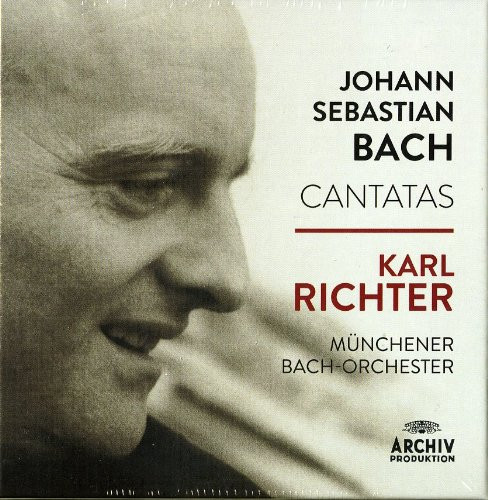
 Play on ListenBrainz